Stargazing in Kaikōura
Nearly the whole Kaikōura District has been an International Dark Sky Sanctuary since September 2024. A guided evening with local astronomers shows you the southern sky through telescopes, and on your own you only need a clear night and patience.
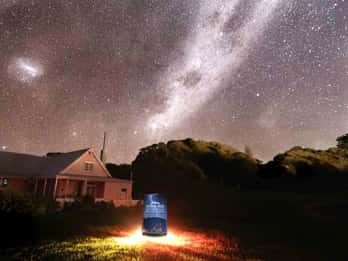
Stargazing with local astronomers
Guided, telescopes · 1.5 hours
✓ Free cancellation
from NZ$ 109
Book on GetYourGuide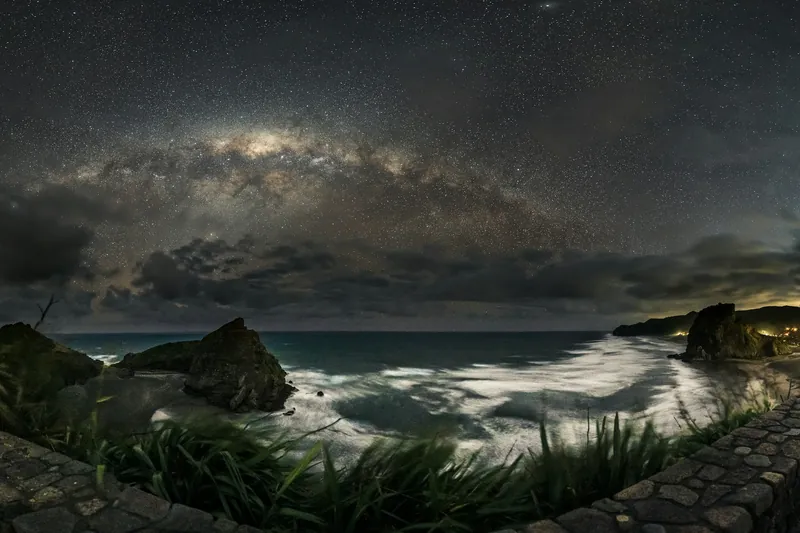
On 12 September 2024 DarkSky International named Kaikōura an International Dark Sky Sanctuary. The protected area covers 2,039 square kilometres, about 98 percent of the district, and more than half of it is land looked after by the Department of Conservation. The initiative came from volunteers and amateur astronomers, who founded the Kaikōura Dark Sky Trust in 2020. The town itself is the next step: the trust wants it certified as a Dark Sky Community.
Being dark does not mean lights out. The community is working to use approved outdoor lighting more efficiently, partly because of a seabird. Hutton's shearwater breeds high in the Seaward Kaikōura Range, the only seabird in the world known to nest in a sub-alpine setting, and its last two wild colonies are here. The birds are drawn to artificial light and often crash, which is why careful lighting matters here.
The guided astronomy tour
The stargazing tour on this site lasts about an hour and a half. Local astronomers point out constellations with a laser, explain how the stars were used for navigation and let you look through their telescopes, with stories in between. Blankets and hot chocolate are included. The session is held in English, and the operator notes that you get more out of it with a reasonable grasp of the language.
There is no fixed site. The meeting place depends on the weather and can change at short notice, and the call on whether the tour runs can come up to an hour before the start. One review describes a different meeting place and time than first planned, and another a session cancelled because of the weather. Keep the evening flexible and your phone switched on.
When the sky plays along, reviewers praise the guide's knowledge and say the blankets and hot chocolate kept the cold at bay. A guest in August 2026 saw the Moon and some stars and came away having learned a lot about the night sky, which is a fair picture of what a partly clear night can offer.
When the sky gets dark
Kaikōura lies at about 42 degrees south, and the length of the night changes a lot over the year. On 21 December the sun sets at 21:02 and civil twilight ends at 21:37, so a real night sky comes late, well after a full day of whale watching or kayaking. On 21 June the sun is down at 16:59 and twilight ends at 17:31, and you can be out under the stars before dinner. The mountains to the west hide the sun a little earlier in the evening than these figures show.
For long, dark nights the months from May to August are the better choice. They are also the cold months: the average overnight low is about 6 °C in June and July. In January and February the nights are mild, with lows around 13 °C, but short. The Moon matters too: the Dark Sky Trust links to a calendar of daily moonrise, moonset and moon illumination for Kaikōura, which helps you pick a darker night.
What you can see
From a dark spot the Milky Way, called Te Ikaroa in Māori, stretches across the sky. The Dark Sky Trust lists the Southern Cross, the Magellanic Clouds and the globular cluster Omega Centauri as easy to see with the naked eye, together with the bright planets when they are up: Venus, Mars, Jupiter, Saturn and Mercury. With binoculars you can pick out the four largest moons of Jupiter and star clusters along the Milky Way. For meteor showers, the trust suggests checking a star chart app before you go out.
If the southern sky is new to you, a guided evening is the quickest way to learn where to look before you try it alone.
How dark it is
DarkSky International measured an average sky brightness of 21.58 magnitudes per square arcsecond in the sanctuary. Much of the protected area is mountain land under the Department of Conservation, including Ka Whata Tu o Rakihouia Conservation Park. DarkSky also notes that many private landowners in the district encourage stargazing. The trust's contact address is the museum building at 96 West End.
In summer an evening on the water and a night under the stars can share the same day: in December the sun sets around 21:00 and civil twilight ends about 35 minutes later, so a sunset kayak tour and a late stargazing session do not clash.
Stargazing on your own
You do not need a tour. Public land within the sanctuary can be used at night without a guide. Look for a place with open sky, away from houses and trees that cut off the view. White light from a phone ruins your night vision, so the trust suggests a red-light setting or a red-light app, and up to 40 minutes for your eyes to adjust fully. Dress for standing still: a warm jacket, thermals, thick socks, gloves, a scarf and a hat.
Take care near the coast at night. The Peninsula Walkway has unfenced cliff edges, and high tide can block the way along the shore, so keep to places you have seen in daylight. The Dark Sky Trust also holds astronomy evenings from time to time and announces them through its events listings.
A clear night makes a good end to a day of whale watching. To fit everything into a short stay, see our Kaikōura itineraries.
The stargazing tour at a glance
A guided session with telescopes, blankets and hot chocolate. The meeting place depends on the weather and is confirmed on the day.
| Tour | Format | Duration | Age | Rating | From |
|---|---|---|---|---|---|
| Stargazing with local astronomersMoana SkiesLocal astronomers point out the constellations with a laser and set up telescopes, with blankets and hot chocolate against the cold. | Guided, telescopesTelescopes, blankets, hot chocolate | 1.5 hoursLocation depends on the weather | – | 4.8 (8 reviews) | From NZ$ 109Free cancellationBook on GetYourGuide |
Prices and ratings come from the booking platform and are shown in New Zealand dollars per person unless a row says otherwise. If you book through these links we earn a commission. Your price stays the same. Sorted by number of reviews.
What travellers say about the stargazing tour
4.8 (8 reviews) · Reviews from GetYourGuide, shortened, names abbreviated
★★★★★ Ada (United Kingdom) · October 2026
Amazing night!! great tour guide, very knowledgeable and upbeat. Hot chocolates and blankets made it not too cold and saw so many cool sights in the Sky!!
★★★★★ Eveline (Germany) · August 2026
We got to see the moon and some starts and wr learned a lot about the night sky. They also provide blankets and hot chocolate for the cold weather.
★★★★★ Ben (United Kingdom) · April 2026
People were really friendly, and the experience was great
★★★★★ Fabrice (United Kingdom) · April 2026
Unfortunately, due to weather conditions the session was cancelled
Reviewers like the guide's stories, the blankets and the hot chocolate. Everything depends on clear skies, so expect a weather call on the day and possibly a different meeting place.
Questions travellers ask
What is a Dark Sky Sanctuary?
It is a designation from DarkSky International for very dark places with a fragile protected status. In Kaikōura it covers 2,039 square kilometres, about 98 percent of the district, and it is the first step towards certifying the town as a Dark Sky Community.
When is the best time of year for stargazing?
The long nights from May to August give you the most dark hours, and it is dark by early evening. In midsummer the sun sets after 21:00, so a night sky session starts late.
What happens if it is cloudy?
The tour operator can make a weather call up to an hour before the start and may move the session at short notice. Reviews mention a session cancelled because of the weather.
Can I see the stars without a tour?
Yes. Public land in the sanctuary is open at night without a guide. Choose a spot without houses or trees blocking the view, switch your phone to red light and give your eyes time to adjust.
What should I wear?
Warm clothes, even in summer, because you stand still for a long time. The Dark Sky Trust recommends a warm jacket, thermals, thick socks, gloves, a scarf and a hat.
Where these facts come from
Dates, opening hours and rules change. We checked these pages in October 2026; the official source has the final word.
- Kaikōura Dark Sky Trust
- Kaikōura Dark Sky Trust: Enjoy our night sky
- DarkSky International: Kaikōura International Dark Sky Sanctuary
- Destination Kaikōura: Kaikōura's dark sky journey
- US Naval Observatory: Sun data for Kaikōura, 21 June 2027
- NIWA climate averages 1991–2020 for Kaikōura (via Figure.NZ)
- Tour page on GetYourGuide, checked 19 October 2026